-
 play_arrow
CrsRadio.com The Knowledge Station
-
 play_arrow
Caribbean Talk Radio The Knowledge Station
-
 play_arrow
Top 10 Countdown #4 Samantha Lopez
audiotrack



Buju Banton at the [[:en:Essence Music Festival|Essence Festival of Culture]] 2025 in New Orleans, Louisiana in July 2025.
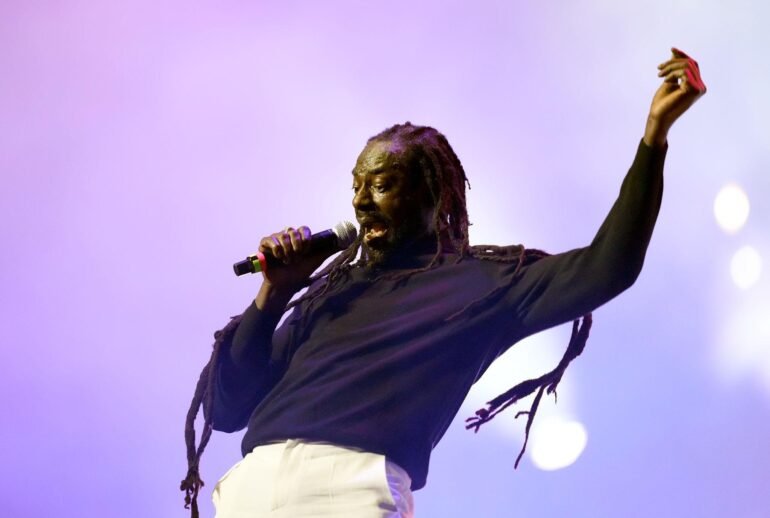
From the streets of Kingston to international stages, Buju Banton’s journey reflects the power, struggles, spirituality, and unmistakable sound of Jamaican music.
By CRS Radio Entertainment Desk | September 21, 2026
From Kingston to the World
When the history of Jamaican music is written, the name Buju Banton will occupy an important chapter.
Born Mark Anthony Myrie on July 15, 1973, in Kingston, Jamaica, Buju Banton emerged from humble beginnings to become one of reggae and dancehall’s most recognizable voices.
Raised in the Salt Lane community, Buju developed a musical identity rooted in Jamaica’s vibrant sound system culture. His distinctive gravelly voice, commanding delivery, and ability to connect with everyday people helped distinguish him from other young performers entering the industry.
Known affectionately as the Gargamel, Buju became a powerful musical storyteller whose songs addressed love, hardship, faith, social injustice, and the realities of life in Jamaica.
His career has crossed generations, carrying the spirit of Jamaican music to audiences throughout the Caribbean, North America, Europe, Africa, and beyond.
The Early Years: A Dancehall Star Is Born
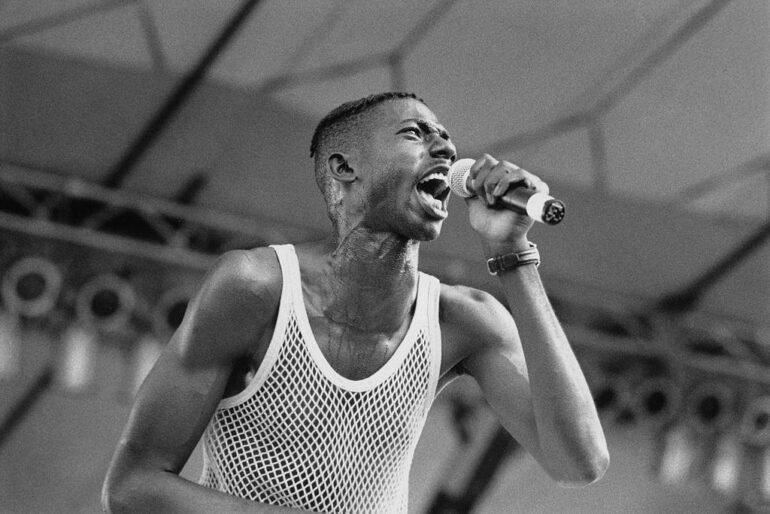
The early 1990s represented an exciting period in Jamaican dancehall.
Sound systems, street dances, and recording studios were producing a new generation of entertainers who would transform the international perception of Jamaican music.
Among them was a young Buju Banton.
His early recordings attracted attention, but the release of Mr. Mention in 1992 helped establish him as a major force in dancehall.
Songs such as “Love Me Browning,” “Bogle,” and “Batty Rider” became associated with his early success.
Buju’s energetic performances and instantly recognizable vocal style made him a favorite among dancehall audiences.
Yet his musical journey was only beginning.
While his early career was built around the rhythms and energy of dancehall, Buju would eventually develop a deeper musical direction that connected reggae, Rastafarian spirituality, and social consciousness.
‘Til Shiloh: The Album That Changed Everything
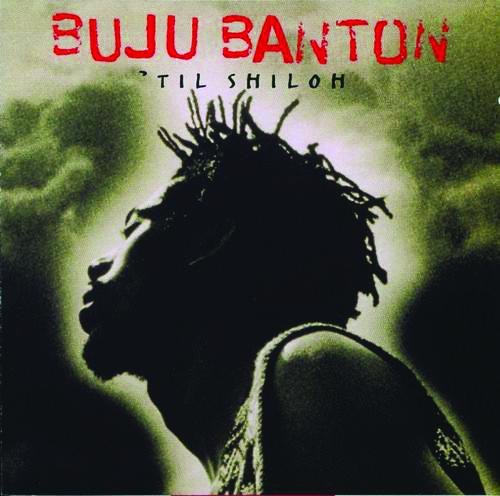
In 1995, Buju released ‘Til Shiloh, an album that marked a defining moment in his career.
The project demonstrated his ability to move beyond conventional dancehall entertainment and explore more reflective themes.
Songs such as “Untold Stories,” “Wanna Be Loved,” “Champion,” and “‘Til I’m Laid to Rest” helped introduce audiences to a different dimension of Buju Banton.
“Untold Stories,” in particular, became an enduring anthem for people facing economic hardship and struggling to create a better life.
The song’s message resonated beyond Jamaica because its themes were universal.
For Caribbean people living overseas, Buju’s music often provided a connection to home, reminding listeners of the experiences, struggles, and resilience that shaped their communities.
‘Til Shiloh remains an important recording in the history of modern Jamaican music and a defining example of Buju’s artistic evolution.
The Music That Continues to Inspire Generations
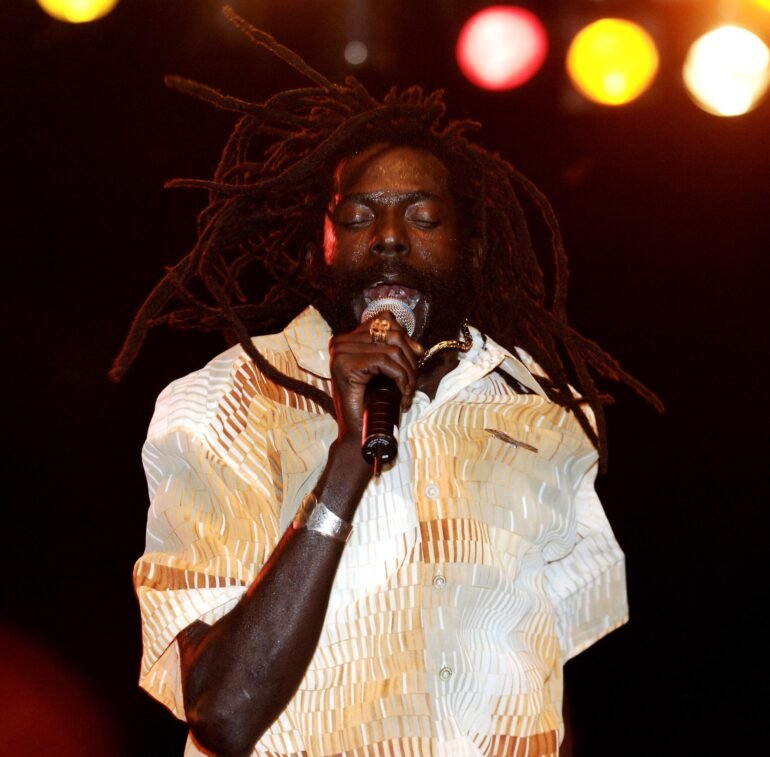
Few Jamaican entertainers have created a catalog that moves as comfortably between energetic dancehall and reflective roots reggae as Buju Banton.
His music speaks to different emotions and experiences.
For lovers of conscious reggae, songs such as “Destiny,” “Hills and Valleys,” and “Not an Easy Road” offer messages of perseverance, faith, and personal responsibility.
For dancehall audiences, songs such as “Champion,” “Driver A,” and “Bogle” capture the energy and creativity of Jamaican popular culture.
His collaborations with artists including Beres Hammond, Stephen Marley, and other internationally recognized musicians demonstrate his ability to connect different musical generations.
What makes Buju’s catalog significant is not simply the number of recognizable songs he has recorded.
It is the way those songs continue to find meaning in the lives of listeners.
Grammy Recognition and International Success
Buju Banton’s contribution to reggae has also received recognition from the international music industry.
His album Before the Dawn won the Grammy Award for Best Reggae Album in 2011.
The award represented an important achievement in his recording career.
Other projects, including Inna Heights, Friends for Life, Too Bad, Rasta Got Soul, Upside Down 2020, and Born for Greatness, have also received Grammy nominations.
His ability to remain relevant across different musical eras reflects the enduring appeal of his voice and songwriting.
A Journey Through Adversity and a Return to the Stage
Buju Banton’s career has not been without controversy and serious personal setbacks.
Following a conviction in the United States on drug-related charges, he served several years in federal prison before being released in December 2018.
His return to Jamaica generated enormous attention among supporters and the wider entertainment industry.
On March 16, 2019, Buju returned to the stage at Kingston’s National Stadium for the highly anticipated Long Walk to Freedom concert.
The event attracted more than 30,000 fans, according to his official biography, with supporters traveling from Jamaica and overseas.
For many in attendance, the concert represented more than the return of a popular entertainer.
It was an opportunity to reconnect with an artist whose music had formed part of their lives for decades.
A New Chapter in Buju Banton’s Musical Journey

Buju continued recording and performing after his return to the entertainment industry.
His 2020 album Upside Down 2020 brought together reggae, dancehall, and contemporary musical influences, featuring collaborations with international artists.
In 2023, he released Born for Greatness, another project that explored his musical identity and continued evolution.
His subsequent recordings and performances have kept him connected to both longtime supporters and younger listeners discovering his music.
His official discography also lists Butterflies among his 2026 releases, while Apple Music lists Too Too Bad as a 2026 album.
Buju’s continuing activity illustrates the longevity possible for Caribbean artists who develop a distinctive sound and maintain a connection with their audience.
Beyond the Music: Giving Back to Jamaica
Buju Banton’s involvement in Jamaica extends beyond recording and performing.
Through the Buju Banton Foundation, he has supported initiatives focused on vulnerable children and young people.
His official biography describes efforts to assist boys in foster care and young adults transitioning out of institutional care.
These initiatives reflect an important aspect of Caribbean community life: the responsibility to create opportunities for future generations.
Music can entertain, educate, and inspire, but it can also provide a platform for meaningful community engagement.
Why Buju Banton Matters to Caribbean Culture

Jamaican music has always been more than entertainment.
From ska and rocksteady to reggae and dancehall, the island’s musical traditions have documented the experiences of ordinary people while influencing popular culture around the world.
Buju Banton belongs to a generation of artists who helped carry that tradition forward.
His career illustrates how an artist can evolve from dancehall entertainer to a musician whose work explores spirituality, social issues, relationships, and cultural identity.
For younger Caribbean artists, his journey provides an example of artistic reinvention and the importance of developing an individual voice.
For longtime reggae lovers, his catalog remains a soundtrack to different stages of life.
And for Jamaicans living abroad, his music continues to carry a familiar connection to the island.
The CRS Radio Perspective: Keeping Caribbean Music Alive
At CRS Radio, we believe the stories behind the music are just as important as the songs themselves.
Artists like Buju Banton have helped shape the sound of Jamaica and influence generations of Caribbean entertainers.
Their contributions deserve to be documented, celebrated, and shared with new audiences.
Through our Caribbean Artist Spotlight series, CRS Radio will continue exploring the lives, music, achievements, and cultural influence of the entertainers who make the Caribbean music industry extraordinary.
Whether you grew up listening to Buju on a Jamaican sound system or discovered his music thousands of miles from the island, his songs remain part of a musical tradition that connects people across borders.
Similar posts


NOW ON AIR

Nostalgia at Midnight with host Bro Blueue
Mixed by Ryan Taylor
Daily between the sheets, under dim light, wrapped in sentimental energy with your host, Bro Blueue -- THE MIDNIGHT LOVER. Enjoy 90 minutes of romantic and soothing music to move you from insomnia to closing into deep sleep. Talk 1876-880-1925 (Line & WhatsApp for your convenience, internationally).
close


Post comments (0)